Kathmandu, Nepal | 26–29 May 2026
Theme: Voices from the Rangelands: Pastoralist Women Rising for Land Rights, Climate Justice, Equity, and Peace
Introduction
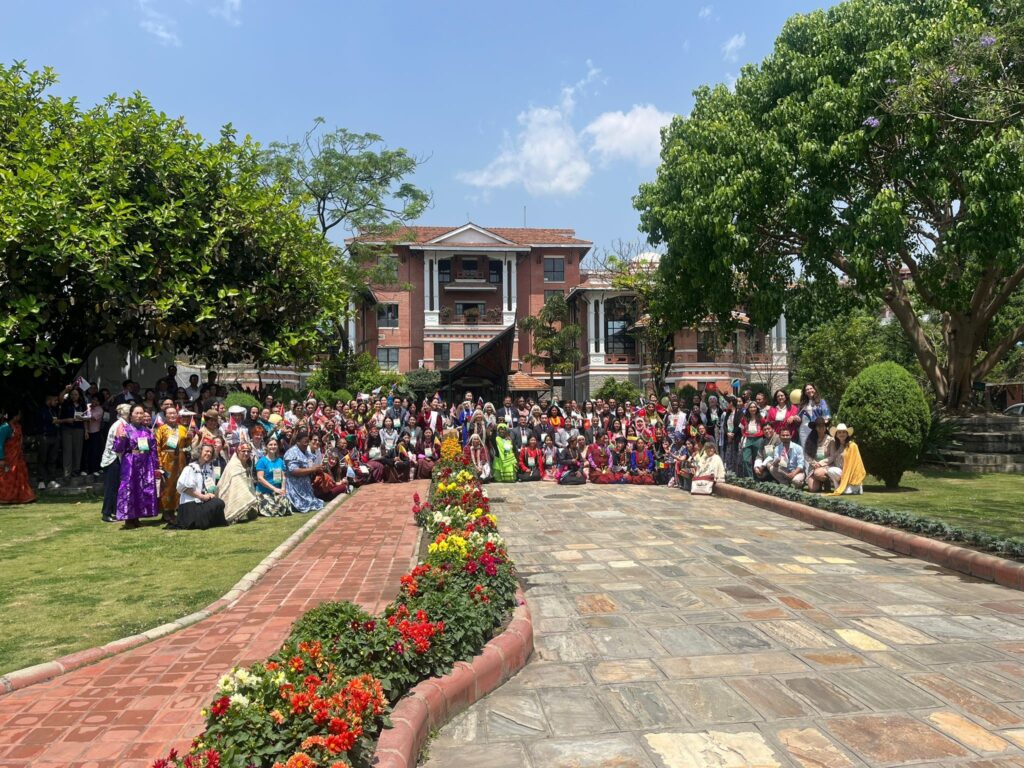
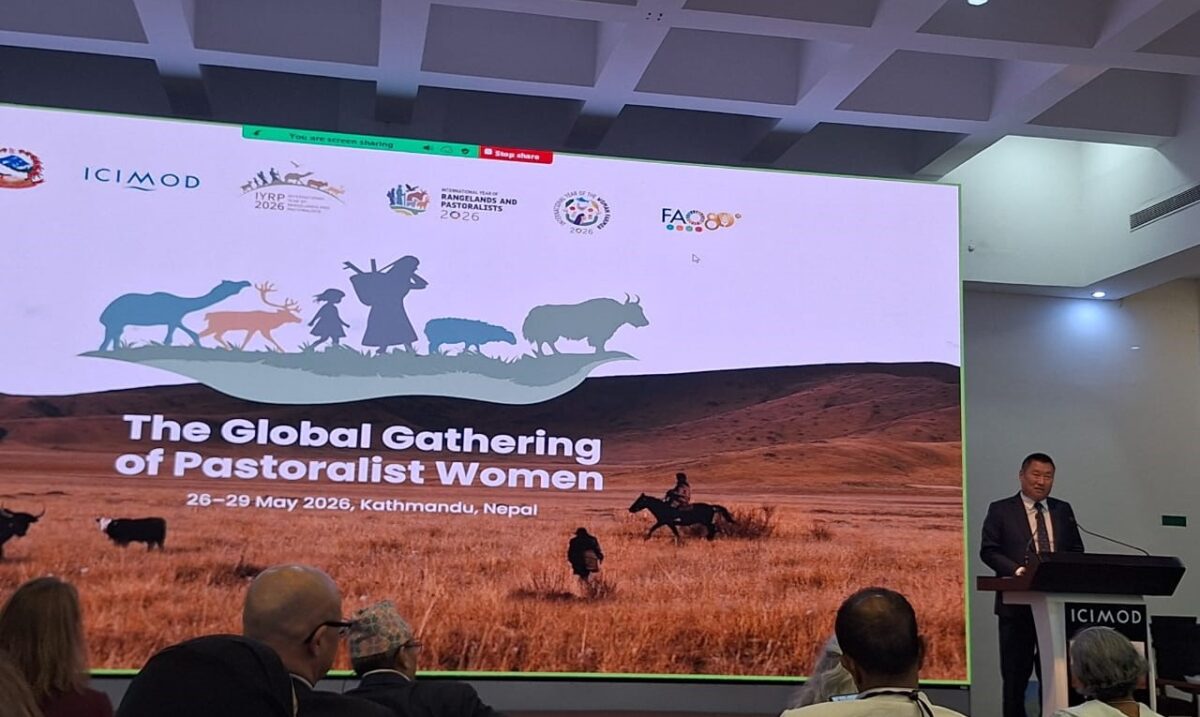
From 26–29 May 2026, representatives of the Somali Women Pastoral Network (SAWONET) participated in the Global Gathering of Pastoralist Women in Kathmandu, Nepal. The event brought together pastoralist women, women-led organizations, researchers, policy actors, and development practitioners from different regions of the world to discuss climate justice, land rights, peacebuilding, gender equality, and the future of pastoral communities.
Participation and Contributions
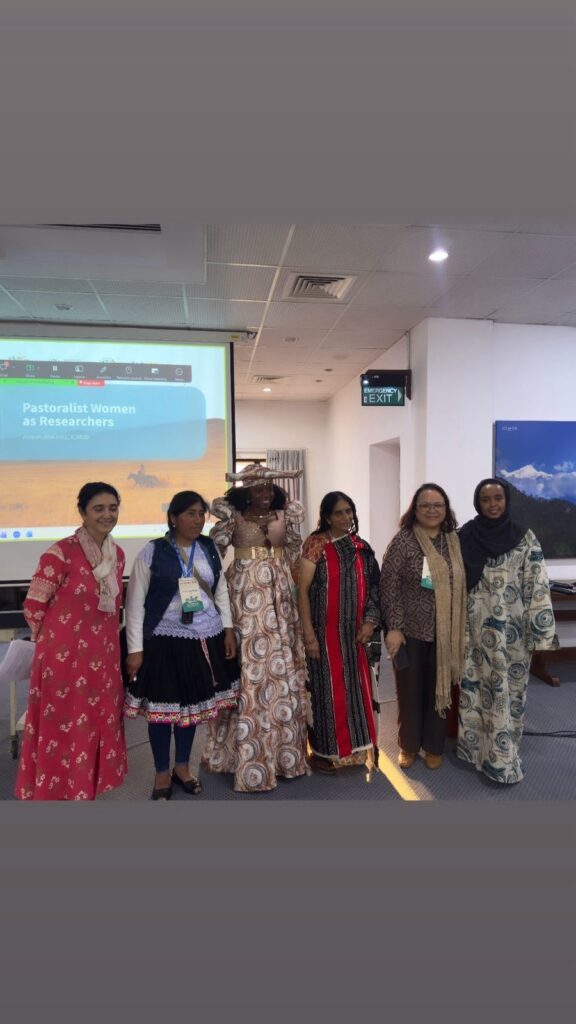
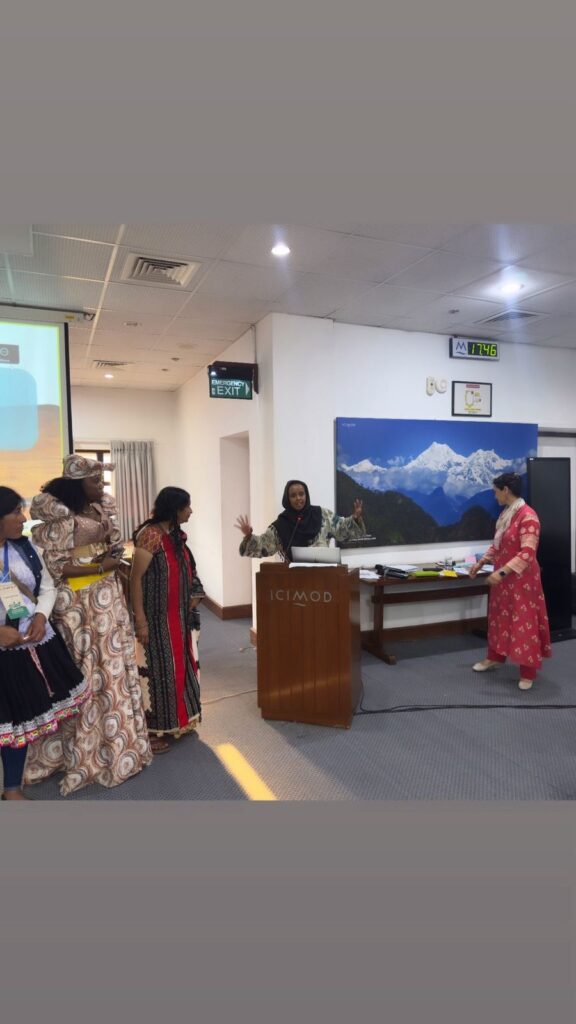
SAWONET was represented by Fozia and Asma. Through their participation, Somali pastoralist women were represented on a global platform where they shared experiences, challenges, and recommendations related to climate change, gender inclusion, and resilience. The participation highlighted the realities faced by pastoral women in Somalia and strengthened networking and solidarity among pastoral women globally
Key Presentation on Climate Change and Anticipatory Action
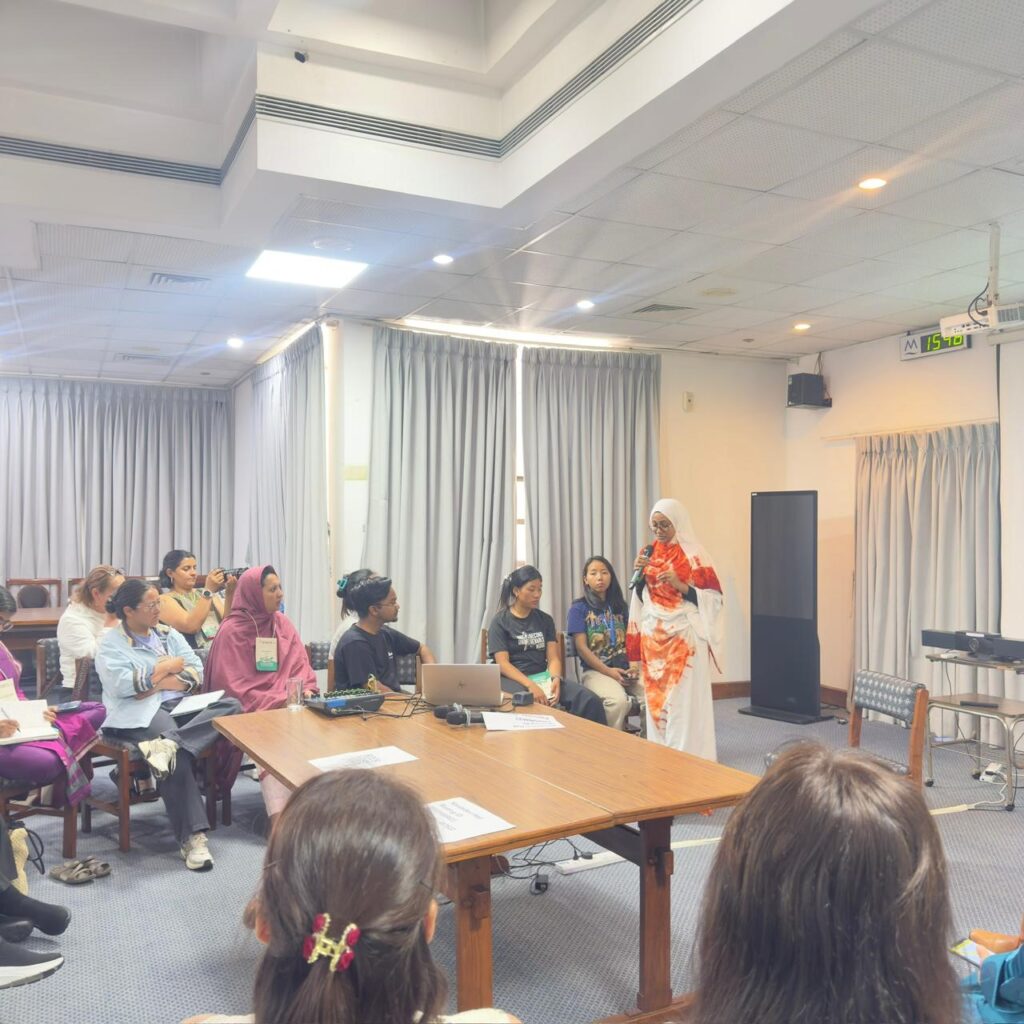
A presentation was delivered on the impacts of climate change on pastoralist women in Somalia. The discussion highlighted recurrent droughts, unpredictable rainfall, flash floods, and prolonged dry spells that continue to affect pastoral livelihoods. The presentation emphasized how women bear the greatest burden during climate crises through increased caregiving responsibilities, loss of livestock-based livelihoods, food insecurity, and displacement. Anticipatory Action frameworks were noticed as an important approach that enables communities to act on early warning information before disasters occur, shifting humanitarian action from reactive responses to proactive resilience-building.
Research Findings Presented
Research findings from key informant interviews across several African countries mainly Somalia demonstrated that climate change, conflict, migration, and gender inequality are deeply interconnected. Major findings included increased workloads for women, growing resource-based conflicts over water and pasture, climate-induced displacement, exclusion of women from governance systems, and the critical role of indigenous knowledge in adaptation and resilience.
Development of the Kathmandu Declaration
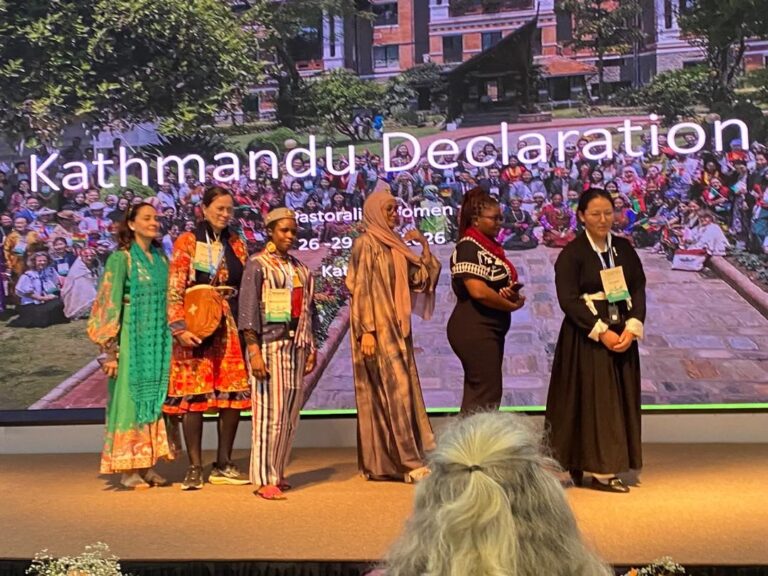
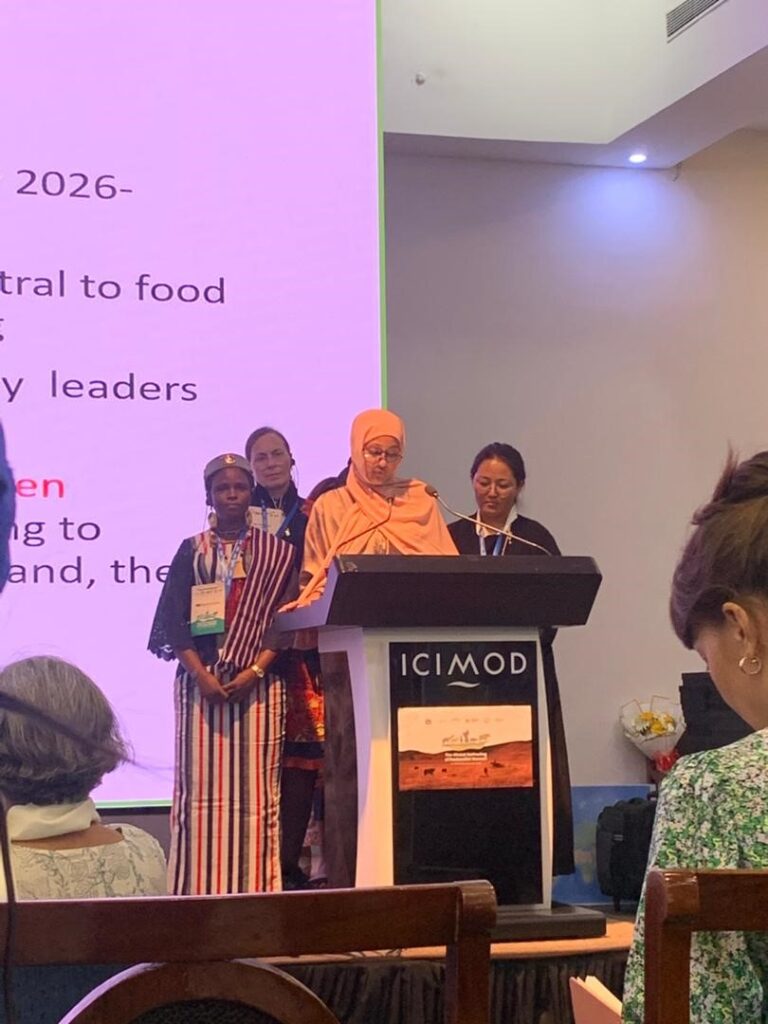
One of the major achievements of the gathering was the review of existing declarations and the collaborative development of the Kathmandu Declaration. Participants contributed recommendations on climate justice, women’s leadership, land rights, peacebuilding, financial inclusion, education, health and support from relevant bodies. The declaration serves as a collective advocacy framework for advancing the rights and priorities of pastoralist women globally.
Major Themes Discussed
Discussions focused on climate resilience, women’s leadership and decision-making, peacebuilding, conflict and natural resource management, migration and displacement, indigenous knowledge systems, gender-responsive policies, financial inclusion, and strengthening women-led organizations/networks dealing with pastoralism.
Key Observations
Pastoralist women continue to act as climate adaptation leaders, peacebuilders, custodians of indigenous knowledge, and primary caregivers despite facing significant barriers to participation and decision-making. Climate change is increasing existing inequalities, while women-led organizations/networks remain at the forefront of community resilience and humanitarian response.
Conclusion
The Global Gathering of Pastoralist Women provided an important platform for amplifying the voices of pastoralist women worldwide. The participation of SAWONET ensured that the realities and priorities of Somali pastoralist women were represented. The gathering strengthened global solidarity, informed the Kathmandu Declaration, and reinforced the need to place pastoralist women at the center of climate, development, and peace agendas.